
How to Increase Hair Growth Speed: The Best and Fastest Ways
If you’ve been searching for ways to increase hair growth or finally understand what drives hair growth speed, you’re not alone. At Hair Salon DTLA, we work with clients every day who come in frustrated — their hair feels like it’s standing still, thinning at the crown, or snapping off before it ever reaches a meaningful length. The truth is, hair growth is a biological process with real mechanics behind it, and understanding those mechanics is the first step toward changing your results.
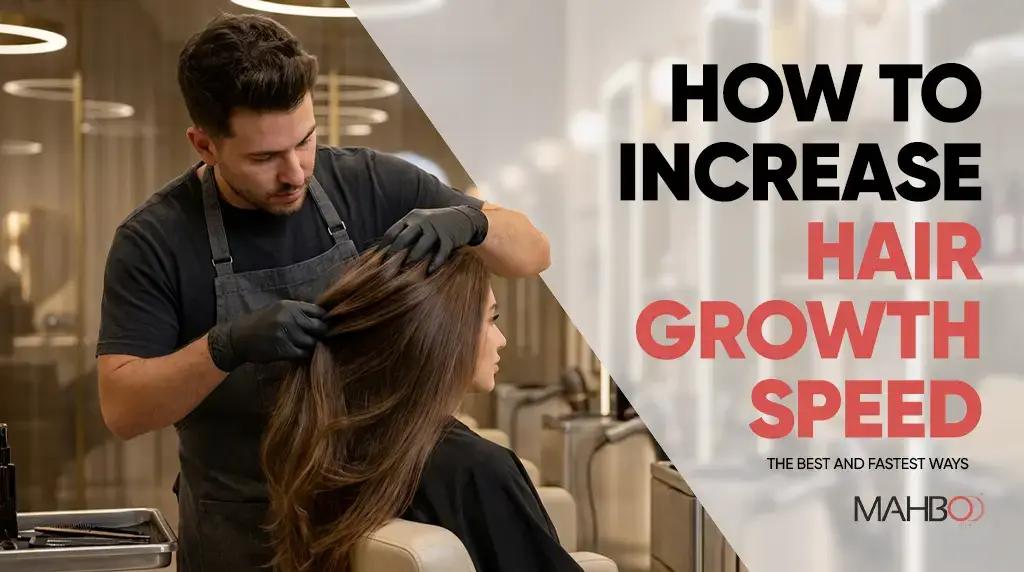
On average, hair grows about half an inch per month — roughly six inches per year. But that number is a baseline, not a ceiling. Factors like scalp health, nutrition, hormonal balance, and professional care can all shift that rate meaningfully. Whether you’re recovering from breakage, growing out a Haircut, or working toward a longer style, knowing how to grow hair faster gives you a practical framework rather than a collection of hopeful guesses. This guide pulls together what we know from years behind the chair and the science that supports it.
Understanding the Hair Growth Cycle

Before exploring strategies to speed up hair growth, it helps to understand how growth actually works. Each strand on your scalp goes through a three-phase cycle: anagen (active growth), catagen (transition), and telogen (rest and shedding). At any given moment, roughly 85 to 90 percent of your hair is in the anagen phase, which can last anywhere from two to six years depending on your genetics.
The length of your anagen phase is one of the biggest determinants of your maximum hair length. You can’t dramatically extend it through topical products alone, but you can protect the phase you already have by keeping your scalp environment healthy and your body properly nourished. Disrupting the cycle — through crash diets, chronic stress, or aggressive chemical treatments — is one of the fastest ways to slow down or stall hair growth speed entirely.
What Happens at the Follicle Level
Hair doesn’t grow from the strand itself — it grows from the follicle, a small pocket in your scalp that houses a papilla rich in blood vessels and nutrients. When circulation is strong and those nutrients are abundant, the follicle performs at its best. When they’re depleted, growth slows, strands thin, and shedding increases. This is why scalp health is central to any serious conversation about how to increase hair growth.
Follicle size also matters. Larger, healthier follicles produce thicker, stronger strands. Follicles can miniaturize over time due to hormonal changes — particularly DHT sensitivity — but they can also be supported through proper care, circulation-stimulating habits, and in some cases, targeted professional treatments.
Scalp Health: The Foundation of Fast Hair Growth
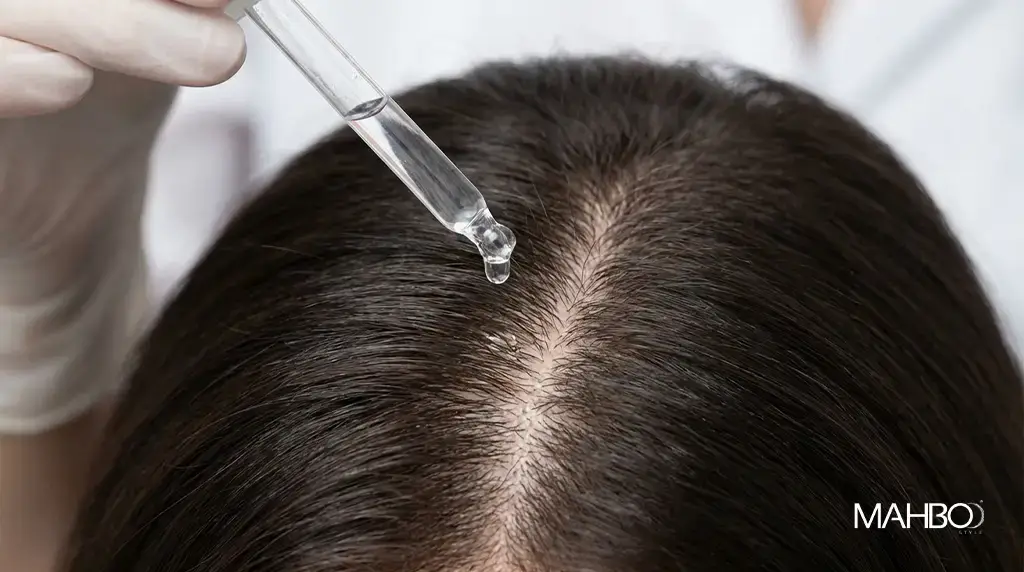
The scalp is essentially the soil from which your hair grows. A congested, inflamed, or excessively oily scalp creates an environment where follicles struggle. In contrast, a clean, well-circulated scalp — one with a balanced moisture level and a healthy microbiome — allows follicles to work at full capacity.
Scalp Circulation and Why It Matters
Improved blood flow to the scalp delivers more oxygen and nutrients directly to hair follicles. This is why scalp massage, often dismissed as a wellness luxury, has become one of the more evidence-supported techniques to increase hair growth. A study published in the journal ePlasty found that regular scalp massage increased hair thickness over a 24-week period. The mechanism is simple: mechanical stimulation dilates blood vessels and stretches follicle cells, signaling them to produce thicker, more active growth.
Even five minutes of consistent scalp massage per day — using your fingertips in small circular motions — can produce measurable changes over time. At Mahbod Style Hair Studio, we incorporate scalp analysis and targeted scalp treatments into our consultations for clients focused on density and growth, because addressing the root environment is foundational to any long-term hair strategy.
Scalp Buildup and Product Residue
Product buildup is one of the most underestimated obstacles to healthy hair growth speed. When silicones, heavy styling products, and oxidized sebum accumulate around the follicle opening, they can impede growth and contribute to inflammation. Clarifying your scalp once or twice a month — using a gentle sulfate-free clarifying shampoo — removes residue without stripping essential moisture. This simple habit can noticeably improve the texture and fullness of new growth within a few months.
Nutrition and Vitamins That Increase Hair Growth

Hair is made primarily of keratin, a protein synthesized from amino acids. That single fact makes adequate protein intake non-negotiable for healthy, fast hair growth. Beyond protein, a range of micronutrients play direct roles in follicle function, cellular turnover, and hair strand integrity.
Key Nutrients for Hair Growth Speed
Biotin (Vitamin B7) is perhaps the most marketed hair supplement, and while deficiency does lead to hair loss, most people consuming a varied diet get sufficient biotin naturally. That said, B vitamins as a group — including B6, B12, and folate — are important for red blood cell production, which directly supports nutrient delivery to the scalp.
Iron deficiency is one of the most common nutritional causes of hair loss, particularly in women. Ferritin levels (stored iron) below 40 ng/mL are consistently associated with increased shedding. Vitamin D is another factor: follicle receptor cells have Vitamin D receptors, and low levels have been linked to telogen effluvium (stress-related shedding) and alopecia areata. Zinc supports protein synthesis and follicle repair, while omega-3 fatty acids reduce scalp inflammation and support a healthier follicular environment.
Rather than reaching for a complex supplement stack without guidance, we recommend having bloodwork done to identify actual deficiencies. Correcting a real deficiency can meaningfully increase hair growth, whereas supplementing nutrients you don’t lack rarely produces visible results.
Foods That Support Hair Growth
Eggs provide complete protein and biotin in their natural form. Fatty fish like salmon, mackerel, and sardines deliver omega-3s, protein, and Vitamin D in a single serving. Leafy greens — particularly spinach and Swiss chard — offer iron, folate, and Vitamins A and C, which support sebum production for natural scalp conditioning. Nuts and seeds, especially pumpkin seeds and walnuts, are rich in zinc, selenium, and omega-3s. Lentils and legumes provide plant-based protein alongside biotin and zinc.
Factors That Affect Hair Growth Speed: A Comparison
The following table outlines the most significant factors that influence hair growth, including how each one affects growth in the short term and what consistent attention to each factor can produce over time.
| Factor | Impact on Hair Growth | Short-Term Effect | Long-Term Effect |
|---|---|---|---|
| Scalp Massage | Increases blood circulation to follicles | Improved scalp tension relief | Thicker, denser hair strands over 3–6 months |
| Protein Intake | Provides keratin building blocks | Reduced hair shedding | Stronger, faster-growing hair within 2–3 months |
| Iron / Ferritin Levels | Enables oxygen delivery to follicles | Reduction in telogen shedding | Restoration of normal growth cycle in 3–6 months |
| Scalp Health & Cleanliness | Removes follicle-blocking buildup | Improved scalp comfort and texture | More active follicles and improved hair density |
| Stress Management | Lowers cortisol that disrupts growth cycle | Less reactive shedding | Stabilized anagen phase duration over time |
| Professional Treatments | Targets scalp environment directly | Immediate scalp condition improvement | Measurable increase in hair growth speed over 6+ months |
| Vitamin D | Activates follicle receptor cells | Reduced seasonal shedding | Improved follicle health and growth regularity |
| Heat & Chemical Damage | Weakens strand structure, causes breakage | Apparent growth stall due to breakage | Progressive loss of length and density if unchecked |
| Sleep & Recovery | Supports peak growth hormone output | Improved systemic recovery | Consistently active anagen phase over months |
Lifestyle Habits That Speed Up Hair Growth

Hair growth is a reflection of your overall physiology. The habits that support a healthy body — quality sleep, stress management, adequate hydration, and regular movement — also create the internal conditions where follicles thrive.
Sleep and Growth Hormones
Human growth hormone (HGH), which plays a role in cellular repair and regeneration including at the follicle level, is released primarily during deep sleep. Chronically poor sleep reduces HGH output, and over time this can contribute to slower, thinner growth. Prioritizing seven to nine hours of quality sleep is genuinely one of the more impactful things you can do to increase hair growth — though it’s rarely mentioned alongside shampoos and vitamins.
Stress and Hair Shedding
Chronic psychological stress triggers elevated cortisol levels, which can shift hair follicles prematurely from anagen into the telogen (shedding) phase. This condition, called telogen effluvium, often appears as diffuse shedding two to three months after a period of intense stress. The good news is that it’s typically reversible: once the stressor is managed, the growth cycle restabilizes. Mindfulness practices, regular physical activity, and boundary-setting around work and digital consumption all contribute to a more stable hormonal environment for hair.
Exercise and Scalp Circulation
Cardiovascular exercise improves systemic circulation, and that benefit extends to the scalp. Regular aerobic activity — even 30 minutes of brisk walking most days — can contribute to improved follicle perfusion. Exercise also supports hormonal balance, reducing cortisol while boosting serotonin and testosterone at levels that are generally beneficial for hair health in both men and women.
Hydration is similarly overlooked. Hair strands are approximately 25 percent water by composition, and a well-hydrated body supports better cellular function throughout, including at the scalp. Aim for consistent water intake rather than dramatic variation day to day.
Professional Hair Care and How to Grow Hair Faster With Expert Help

There is a meaningful difference between maintaining hair at home and receiving professional care with a tailored strategy. At Mahbod Style Hair Studio, we approach every client conversation with the understanding that hair behavior is highly individual. What works for one person’s density concerns may not apply to someone managing chemically processed hair or dealing with hormonally driven thinning.
Regular Trims and Their Role in Length Retention
The idea that cutting hair makes it grow faster is a persistent myth, and we’ll address it more directly in the FAQ section below. What regular trims actually do is remove split ends before they travel up the strand, causing breakage. When hair breaks mid-shaft faster than new growth emerges at the root, length appears to stand still. Strategic trimming — timed to your specific hair texture and condition — is one of the most effective ways to maintain visible length progress over time. This is a personalized decision that depends on your hair’s porosity, texture, and styling habits.
Scalp Treatments and Professional Protocols
Professional scalp treatments have evolved considerably in recent years. From targeted serums containing peptides and growth factors to low-level laser therapy (LLLT) devices, there are now clinically studied options beyond anecdotal home remedies. These treatments work best when preceded by a thorough scalp analysis to identify whether the issue is sebum overproduction, follicle miniaturization, inflammation, or simply neglect.
We also work with clients to evaluate their at-home product routines. The wrong shampoo for your scalp type — particularly those with harsh surfactants or over-reliance on silicones — can quietly work against your growth goals without your realizing it. This kind of assessment is something an experienced stylist with genuine knowledge of hair science can provide in a way that generic online recommendations cannot.
How to Grow Hair Faster After Damage
For clients recovering from color damage, heat damage, or chemical straightening, the path to faster-feeling growth is largely about retention. Hair that’s compromised at the cuticle level is significantly more prone to breakage, which creates the illusion of no growth when in reality new hair is emerging at the root regularly. A bond-repair treatment, a commitment to lower heat usage, and a protective styling strategy can shift this trajectory noticeably within a few months. How to grow hair faster in this context really means: how to stop losing what you’re growing.
Common Myths About Hair Growth — Corrected

A lot of well-meaning advice circulates online about hair growth, and not all of it holds up to scrutiny. Here are some of the most common misconceptions we address at Mahbod Style Hair Studio.
Myth: Cutting Your Hair Makes It Grow Faster
Growth happens at the follicle, not the tip. A trim removes length from the end, which has no communication with the scalp. What regular trims do accomplish is preventing breakage from traveling up the strand — which protects your length over time without actually accelerating the biology. The two are related to each other in practical terms, but they are mechanistically distinct.
Myth: Certain Shampoos Can Dramatically Increase Hair Growth
No shampoo applied to the surface of the hair and scalp and then rinsed off after a few minutes can significantly alter follicle biology. Some shampoos contain ingredients — peppermint oil, caffeine, ketoconazole — that have shown modest effects on scalp circulation or DHT reduction in limited studies. But the idea of a shampoo delivering dramatic, fast hair growth results is largely marketing. The real work happens through diet, scalp health, and systemic factors.
Myth: Brushing 100 Times a Day Stimulates Growth
This is a vintage piece of hair advice that modern science has largely refuted. Excessive brushing, especially on dry hair, causes mechanical friction that breaks strands at the cuticle level. A gentle brushing routine with the right tools for your hair type is fine — but more is not better. If scalp stimulation is your goal, finger massage is a more controlled and evidence-supported approach.
Myth: Oiling the Scalp Is Always Beneficial
Heavy oils applied directly to the scalp can actually clog follicle openings when used excessively, particularly on people with naturally oily scalps. Lighter oils like rosehip, jojoba, or argan are better tolerated. For some clients, applying oil to the mid-lengths and ends (to reduce moisture loss and breakage) is far more useful than scalp oiling. Individual scalp type matters enormously here, and a professional assessment can clarify the right approach.
Healthy Hair Starts With a Good Cut
Regular trims keep ends healthy while your hair grows. At Mahbod Style, 650 S Grand Ave in Downtown Los Angeles, our barbers can tell you how often to come in. Book a men's haircut in Downtown LA, or choose the VIP grooming package for a full grooming session.
Frequently Asked Questions About Hair Growth Speed
1. How long does it actually take to see results when trying to increase hair growth?
Most nutritional and lifestyle changes take at least two to three months to produce visible results, because hair growth is measured in monthly increments and existing follicle behavior doesn’t shift overnight. Scalp treatments and targeted serums may show some improvement in scalp condition sooner, but meaningful changes in density and length typically become measurable at the three-to-six month mark. Patience and consistency are genuinely important here.
2. Can genetics prevent me from achieving fast hair growth?
Genetics set your baseline — including your anagen phase length, follicle density, and susceptibility to hormonal hair loss. They don’t, however, determine whether you’re operating at that baseline or falling short of it due to nutrient deficiencies, stress, or poor scalp health. Most people have more room to improve their actual growth rate than their genetic ceiling would suggest, simply by addressing correctable factors. Genetics become the primary limiting factor only after you’ve optimized everything else.
3. Do biotin supplements really help with hair growth speed?
Biotin supplementation is genuinely effective for individuals who are biotin-deficient, which is relatively rare in people eating a varied diet. For those who are not deficient, additional biotin is unlikely to produce visible hair growth changes. The supplement industry has done an effective job marketing biotin for hair, but the clinical evidence supporting its use in non-deficient populations is thin. If you’re supplementing and not seeing results, bloodwork to check actual biotin, iron, and Vitamin D levels is a more informative starting point.
4. How does diet affect hair growth, and which foods are most important?
Diet affects hair growth through multiple pathways: protein provides the structural material for keratin synthesis, iron enables oxygen delivery to follicles, Vitamin D activates follicle receptor cells, and zinc supports tissue repair and growth. The most impactful dietary shift most people can make is ensuring adequate protein intake — particularly from complete protein sources like eggs, fish, poultry, and legumes. Beyond that, a diet rich in leafy greens, fatty fish, and nuts covers most of the micronutrient bases without requiring extensive supplementation.
5. Are there any salon treatments that can increase hair growth?
Yes, certain professional treatments have clinical evidence behind them. Low-level laser therapy (LLLT) has been FDA-cleared for hair growth in both men and women and works by stimulating cellular energy production in follicles. Platelet-rich plasma (PRP) injections, performed by medical professionals, use growth factors from your own blood to stimulate follicle activity and are one of the more studied interventions for androgenetic alopecia. At Mahbod Style Hair Studio, we also offer targeted scalp serums and professional scalp treatments that improve the follicular environment, which is the foundation for any sustainable growth improvement.
6. Does stress genuinely slow down hair growth speed?
Yes, and the mechanism is well-documented. Elevated cortisol from chronic stress can push hair follicles into the telogen (resting) phase prematurely, resulting in diffuse shedding two to three months after the stressful period. This is called telogen effluvium. Because the shedding is delayed, people often don’t connect it to the triggering event. The good news is that stress-related shedding is usually reversible once cortisol levels normalize. Managing stress through sleep, exercise, and mindfulness isn’t just wellness advice — it’s a meaningful part of any hair growth strategy.
7. How often should I wash my hair to maintain healthy hair growth speed?
Washing frequency should be determined by your scalp type, not by a universal rule. Those with oily scalps often benefit from washing every one to two days to prevent buildup that can impede follicle function. Those with dry scalps or coarse, textured hair may wash once a week or less frequently. The more important variable is what you wash with: a sulfate-free shampoo appropriate for your scalp type, followed by a conditioner focused on the lengths and ends, will serve most hair types well without stripping the scalp’s natural barrier.
8. Can wearing tight hairstyles affect my ability to grow hair?
Yes. Traction alopecia — hair loss caused by consistent tension on the follicle — is a real and increasingly common condition, particularly among people who wear tight braids, ponytails, or extensions regularly. Repeated tension pulls on the follicle and, over time, can cause scarring that permanently inhibits growth in affected areas. Varying your hairstyles, using protective styles judiciously, and avoiding excessive tension at the hairline can prevent this type of preventable hair loss.
9. Is there a difference between hair growth for men and women?
The underlying biology of hair growth is the same for men and women, but hormonal environments differ significantly. Men with androgenetic alopecia (male pattern baldness) experience follicle miniaturization driven by DHT sensitivity, typically at the crown and hairline. Women are more commonly affected by diffuse thinning, often related to iron deficiency, thyroid imbalances, postpartum hormonal shifts, or stress. These different presentations mean that the most effective interventions vary by individual. A thorough consultation — not a generic approach — is what yields the most useful guidance.
10. How can I tell if my hair is growing or if I’ve hit a growth plateau?
True growth plateaus caused by biology are uncommon. What most people interpret as a plateau is actually one of two things: breakage occurring at the same rate as new growth (making length appear static), or a shift in their anagen phase driven by nutritional deficiency, hormonal change, or stress. Measuring a specific section of your hair with a tape measure every four weeks gives you objective data. If growth is occurring but length isn’t increasing, the issue is almost certainly retention and breakage — which is a different problem with different solutions than follicle-level growth rate.
Final Thoughts From Mahbod Style Hair Studio
Hair growth is not a mystery, but it does require a layered approach. There is no single supplement, treatment, or product that unlocks fast hair growth in isolation. What works is the combination of a healthy scalp environment, adequate nutrition, consistent lifestyle habits, and professional care tailored to your specific hair type and history.
At Mahbod Style Hair Studio in Downtown Los Angeles, we take pride in offering a consultation-first approach to every client who walks through our doors. Whether you’re trying to increase hair growth after a period of shedding, maintain the progress you’ve already made, or simply understand what your hair actually needs, the conversation begins with an honest assessment — not assumptions.
Hair growth speed is influenced by dozens of interacting variables, and addressing them intelligently over time is what produces results that last. We’ve seen clients transform their hair health not through dramatic interventions, but through consistency: better nutrition, a refined at-home routine, regular professional attention, and realistic expectations about timelines.
If there’s one thing years of experience have taught us, it’s that hair responds to care. Not products. Not shortcuts. Care — given consistently, with knowledge behind it.


