
8 Trending Beard Styles for Men
A well-maintained beard isn’t just facial hair—it’s a statement of personal style and grooming excellence. Over the past few years, beard culture has evolved from simple stubble to sophisticated styles that require precision, technique, and professional maintenance. Whether you’re growing your first beard or refining an established look, understanding current trends and proper styling techniques makes all the difference.

As professional stylists, we see hundreds of clients each month seeking to elevate their grooming routine. The most common question? Which beard style works best for their face shape, lifestyle, and personal aesthetic. This guide breaks down eight trending beard styles that dominate men’s grooming in 2025, complete with maintenance tips and expert recommendations from our team’s years of experience shaping beards in our downtown studio.
Why Beard Styles Matter for Modern Men
Choosing the right beard style goes beyond following trends. Your beard frames your face, influences how others perceive you professionally, and reflects your commitment to personal grooming. A properly styled beard can sharpen your jawline, balance facial proportions, and add maturity to your overall appearance.
The key lies in selecting a style that complements your natural features while fitting your maintenance capacity. Some styles require daily attention, while others maintain their shape with weekly touch-ups. Understanding these nuances helps you make informed decisions about your grooming routine.
The Classic Full Beard
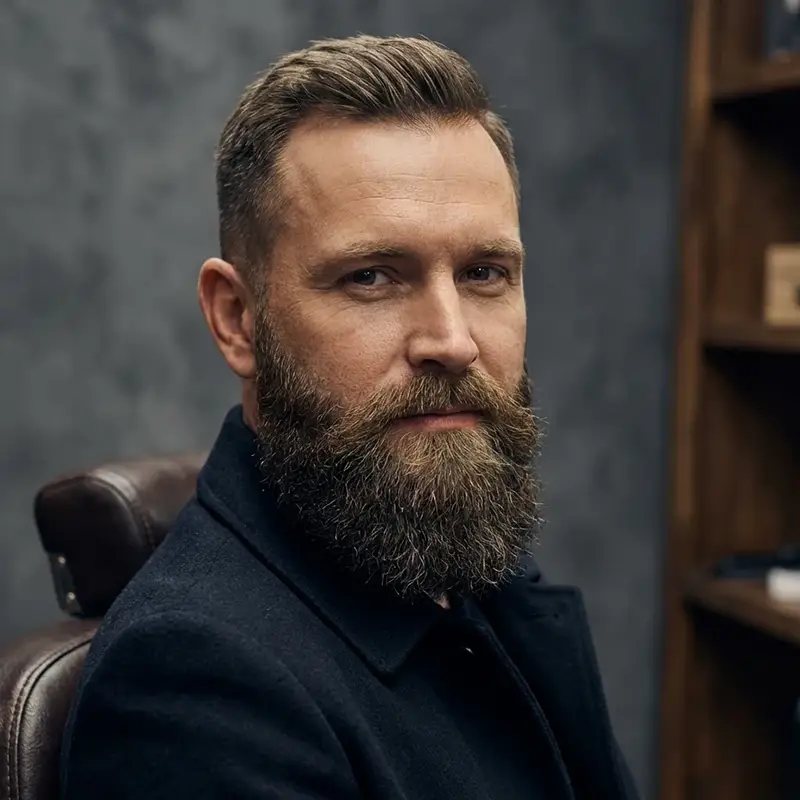
The full beard remains a timeless choice for men who want substantial facial hair without extreme length. This style covers the entire lower face and connects seamlessly from sideburns to mustache to chin, creating a cohesive, masculine appearance.
Growing a proper full beard takes patience—typically three to six months for optimal density and length. The style works exceptionally well for men with oval or rectangular face shapes, as the fuller coverage adds width and balances longer facial structures. Regular trimming maintains the shape while allowing natural growth patterns to emerge.
Professional maintenance involves shaping the cheek line, defining the neckline, and keeping the mustache proportional to the beard length. Many men make the mistake of letting their full beard grow wild, which diminishes its sophisticated appeal. Strategic trimming creates structure while preserving the beard’s natural fullness.
The Short Boxed Beard
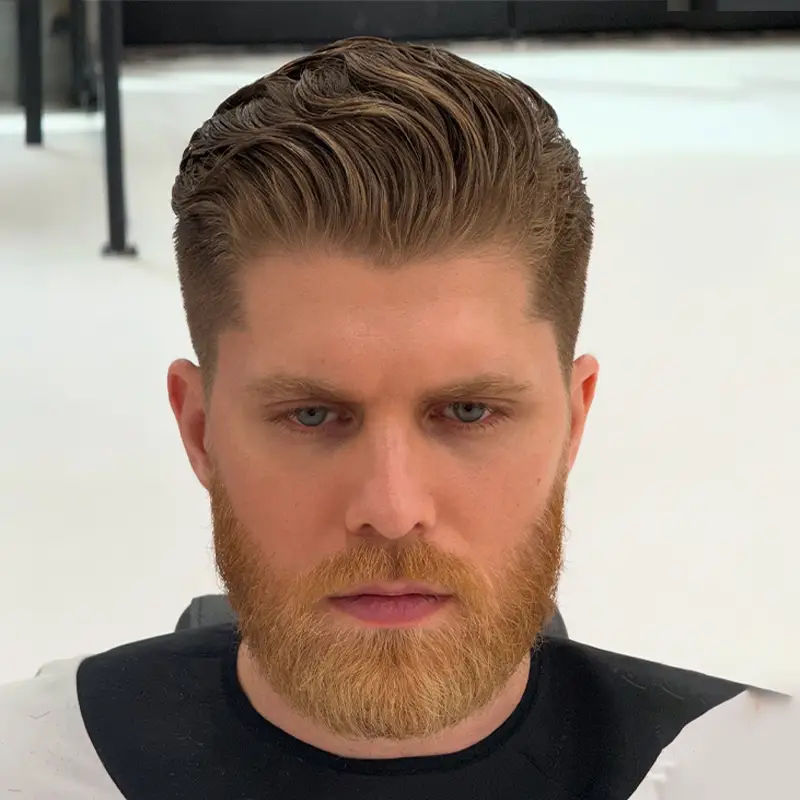
For men seeking a polished, corporate-friendly option, the short boxed beard delivers clean lines and controlled length. This style keeps facial hair between 3-10mm, creating a neat outline that follows the jawline with precision.
The boxed beard requires regular maintenance—ideally weekly trims to maintain its sharp edges and uniform length. The defined borders along the cheeks and neck give this style its distinctive appearance. Unlike scruffier beard styles, the boxed beard communicates professionalism and attention to detail.
This style suits nearly every face shape, making it one of the most versatile options for men entering the bearded lifestyle. The controlled length also minimizes daily maintenance, requiring only beard oil application and occasional brushing to keep hair lying flat.
The Extended Goatee

The extended goatee combines a traditional goatee with a connected mustache and extended soul patch, creating a distinctive pattern that emphasizes the mouth and chin area. This style works particularly well for men with round or square faces, as the vertical emphasis creates the illusion of length.
Unlike full beards, the extended goatee requires shaving the cheeks completely, which means more frequent upkeep of the clean-shaven areas. The style demands precision—uneven growth or poorly defined edges quickly ruin the sophisticated look.
Professional stylists recommend this option for men with patchy cheek growth, as it strategically works with areas where facial hair grows most densely. The result is a intentional, styled appearance rather than an incomplete beard.
The Stubble Beard (Designer Stubble)

Stubble has evolved from lazy weekend look to intentionally crafted style. Designer stubble maintains facial hair at 1-3mm length across the entire beard area, creating texture without full coverage. This effortlessly masculine style has gained significant popularity among men who want facial hair without the commitment of longer styles.
The challenge with stubble lies in keeping it at consistent length. Too short, and it looks like early growth; too long, and it appears unkempt. High-quality trimmers with precise length guards make home maintenance possible, though professional shaping ensures even growth patterns and clean boundaries.
Stubble suits virtually every face shape and professional environment. It adds definition to the jawline while requiring minimal daily grooming beyond trimming every 2-3 days.
The Fade Beard
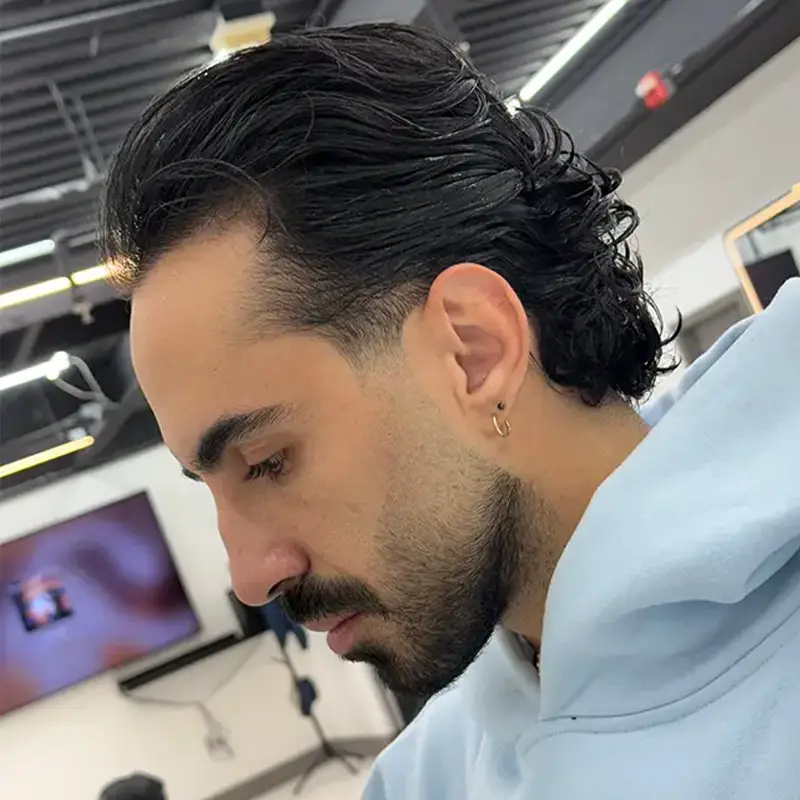
The fade beard represents one of the most sophisticated trending styles, seamlessly blending barbering techniques with modern beard grooming. This style starts with very short hair at the top near the cheekbones and gradually increases in length as it moves down toward the jawline and chin, creating a smooth gradient transition.
The fade technique requires precision and professional skill to execute properly. Unlike uniform-length beards, the fade demands careful attention to multiple length zones—typically starting at 0.5-1mm at the upper cheek area and gradually extending to 5-10mm or longer at the chin. This gradient creates a sculpted, dimensional appearance that adds depth and sophistication to facial hair.
Professional stylists use specialized clippers with various guard sizes to achieve the seamless transition between lengths. The fade can be combined with other beard styles—a faded full beard, faded goatee, or faded stubble all offer distinct variations of this trending technique.
Men with round or square face shapes particularly benefit from the fade beard’s structure. The gradual length increase creates vertical emphasis and definition along the jawline, enhancing facial contours. The style also works exceptionally well for men with uneven growth patterns, as the shorter upper sections minimize patchiness while longer lower sections showcase density.
Maintaining a fade beard requires regular professional grooming every 2-3 weeks. The precision necessary to preserve smooth transitions proves challenging for home maintenance, making this style ideal for men committed to professional Grooming in Downtown Los Angeles services.
The Van Dyke
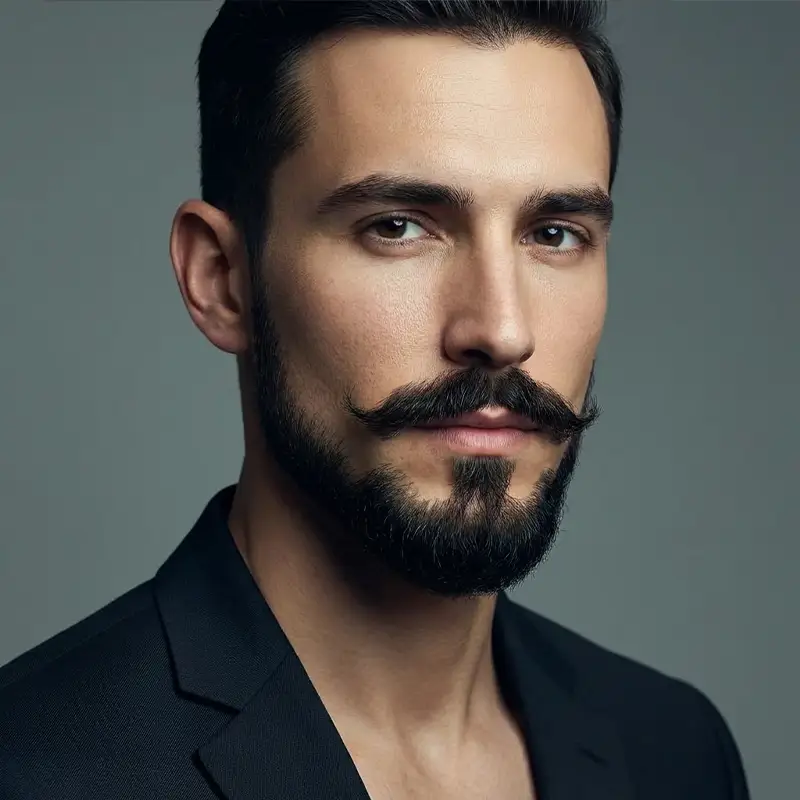
Named after 17th-century Flemish painter Anthony van Dyck, this distinctive style combines a goatee with a disconnected mustache. The cheeks remain clean-shaven, creating a refined, artistic appearance that stands apart from more common beard styles.
The Van Dyke requires precision and regular maintenance to preserve the intentional gap between mustache and chin hair. This separation defines the style—without it, the look becomes a standard full beard. Men with longer face shapes often gravitate toward this option, as the isolated facial hair creates visual interest without adding width.
Growing a proper Van Dyke takes 6-8 weeks, allowing both the mustache and goatee to reach sufficient length for shaping. Professional grooming ensures symmetry and proper proportions between the two elements.
The Beardstache
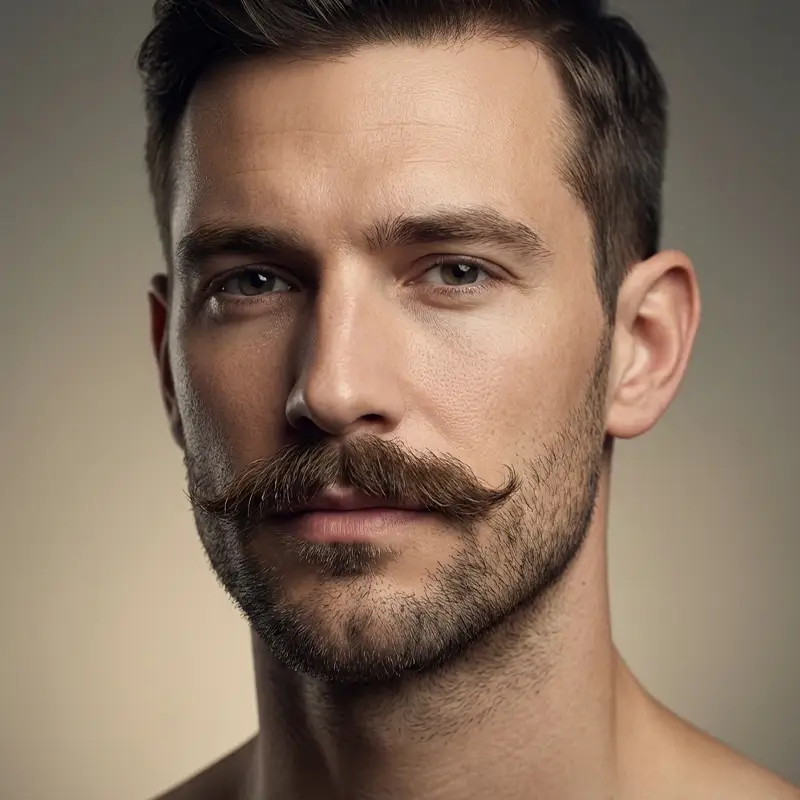
The beardstache trend emphasizes a fuller mustache paired with short beard stubble. This style creates a bold focal point with the prominent mustache while maintaining facial hair texture throughout the beard area. The contrast between thick mustache and trimmed beard gives this style its distinctive character.
Achieving a balanced beardstache requires letting the mustache grow longer than the surrounding beard—typically 2-3 weeks of additional growth. The beard stays trimmed at 2-4mm while the mustache extends to 5-10mm or longer. Regular mustache grooming with wax or balm keeps the longer hair styled and prevents it from covering the lips.
This trend suits men with strong mustache growth who want to showcase that natural advantage. The style works across face shapes but particularly complements longer faces by adding horizontal emphasis.
The Ducktail Beard
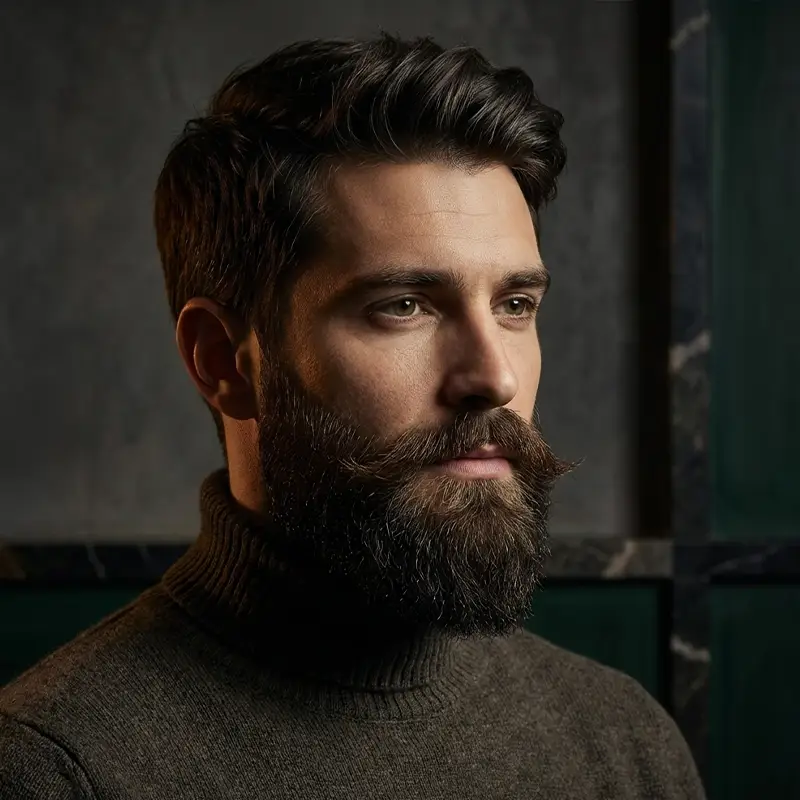
For men ready to commit to longer facial hair, the ducktail beard offers a distinguished, attention-grabbing option. This style features a full beard that tapers to a point at the chin, resembling the shape of a duck’s tail. The cheeks and sides remain relatively short while the chin area extends several inches.
Growing a proper ducktail requires 4-6 months of dedicated growth, particularly for the chin section. The style demands regular shaping to maintain the tapered point and prevent the beard from appearing simply overgrown. Professional Grooming in Downtown Los Angeles ensures the proportions remain balanced as the beard lengthens.
This bold style suits men with angular or diamond-shaped faces, as the pointed chin creates visual harmony with sharper facial structures. Daily conditioning and styling products keep longer beards healthy and manageable.
Matching Beard Styles to Face Shapes
| Face Shape | Recommended Beard Styles | Why It Works |
|---|---|---|
| Oval | Full beard, short boxed beard, stubble | Balanced proportions suit most styles |
| Round | Extended goatee, ducktail, Van Dyke | Vertical emphasis adds length |
| Square | Circle beard, stubble, full beard | Softens angular jawline |
| Rectangle | Full beard, beardstache | Adds width, balances length |
| Diamond | Ducktail, short boxed beard | Complements angular features |
Understanding your face shape helps narrow style options to those that enhance your natural features rather than working against them. While personal preference matters, certain combinations create more harmonious results.
Essential Beard Maintenance Practices
Regardless of which trending style you choose, proper maintenance separates amateur attempts from professional results. These core practices apply across all beard styles:
Daily cleansing removes dirt, oil, and product buildup that accumulates in facial hair. Specialized beard wash preserves natural oils better than regular shampoo, preventing dryness and itchiness.
Conditioning and oil application keep hair soft and manageable. Beard oil moisturizes both hair and underlying skin, reducing flaking and promoting healthy growth. Apply after showering when hair is slightly damp for best absorption.
Regular trimming maintains your chosen style’s shape and removes split ends. Even if growing length, periodic trims prevent ragged, unkempt appearances. Professional shaping every 3-4 weeks ensures precision beyond typical home maintenance capabilities.
Brushing or combing trains hair to grow in desired directions while distributing natural oils throughout the beard. Daily brushing also removes loose hairs and keeps beards looking neat between washes.
Seasonal Considerations for Beard Care
Beard maintenance needs shift with weather changes. Summer heat and humidity may require lighter oils and more frequent washing, while winter dryness demands heavier conditioning and protective balms. Adjusting your routine seasonally prevents common issues like flaking, brittleness, or excessive oiliness.
Men who work outdoors or exercise regularly need more intensive cleaning routines to manage sweat and environmental exposure. Indoor heating during winter months particularly impacts beard health, often requiring twice-daily oil application to combat moisture loss.
The Professional Advantage
While home maintenance handles daily upkeep, professional grooming services provide expertise that elevates beard styling beyond basic trimming. Experienced stylists assess growth patterns, recommend styles suited to your specific features, and execute precise shaping techniques that require specialized training.
Professional services at Mahbod Style include detailed consultations about style options, expert shaping using professional-grade tools, and personalized maintenance recommendations. This guidance proves invaluable when transitioning between styles or addressing growth challenges like patchiness or uneven density.
Common Beard Styling Mistakes to Avoid
Even trending styles fail when executed poorly. These frequent mistakes undermine otherwise promising beards:
Neglecting the neckline—Defining where the beard ends on the neck creates structure. Too high appears forced; too low looks sloppy.
Ignoring cheek lines—Natural cheek lines vary widely. Some men benefit from lowering their cheek line for better proportions.
Skipping conditioning—Dry, coarse beards resist styling and appear unhealthy regardless of shape or length.
Over-trimming—Aggressive trimming removes length faster than it grows back. Conservative approaches allow adjustments without starting over.
Using wrong products—Regular hair products contain ingredients that dry facial hair. Beard-specific formulations address unique needs.
Maintaining Professional Appearance Standards
Most professional environments accept well-maintained beards, though standards vary by industry. Financial services and law typically favor shorter, more conservative styles like boxed beards or stubble. Creative industries allow longer, more distinctive options.
Regardless of workplace culture, cleanliness and intentional styling separate acceptable beards from problematic ones. Regular trims, defined edges, and proper grooming signal professionalism equal to clean-shaven appearances.
Try a Trending Beard Style in Downtown Los Angeles
Want one of these styles without the guesswork? Our barbers at Mahbod Style, 650 S Grand Ave in Downtown Los Angeles, can shape it for you. Book a beard trim and beard grooming in DTLA, add a skin fade or taper so the beard and sides blend, or go all-in with the VIP grooming package.
Frequently Asked Questions
What beard style is currently trending for men?
The short boxed beard and designer stubble dominate current trends, offering clean, professional appearances with manageable maintenance. The beardstache has also gained significant popularity for men wanting bolder styling.
Which beard style suits my face shape?
Oval faces accommodate most styles, while round faces benefit from vertical emphasis like extended goatees or ducktails. Square faces soften with fuller beards, and rectangular faces need width-adding styles like full beards or beardstaches.
How often should men trim their beards?
Short styles require weekly trims to maintain shape, while medium-length beards need professional shaping every 3-4 weeks. Long beards benefit from monthly professional maintenance plus weekly at-home touch-ups.
Are short or long beard styles more professional?
Short to medium styles generally appear more professional across industries. Full beards work in most environments when properly maintained, while very long beards may face restrictions in conservative fields.
Can I change beard styles without starting over?
Most transitions work by gradually trimming down from longer styles or growing out from shorter ones. Professional guidance helps navigate transitions smoothly while maintaining presentable appearance throughout the process.


